Do electric scooters work in cold weather? Everything you need to know for winter
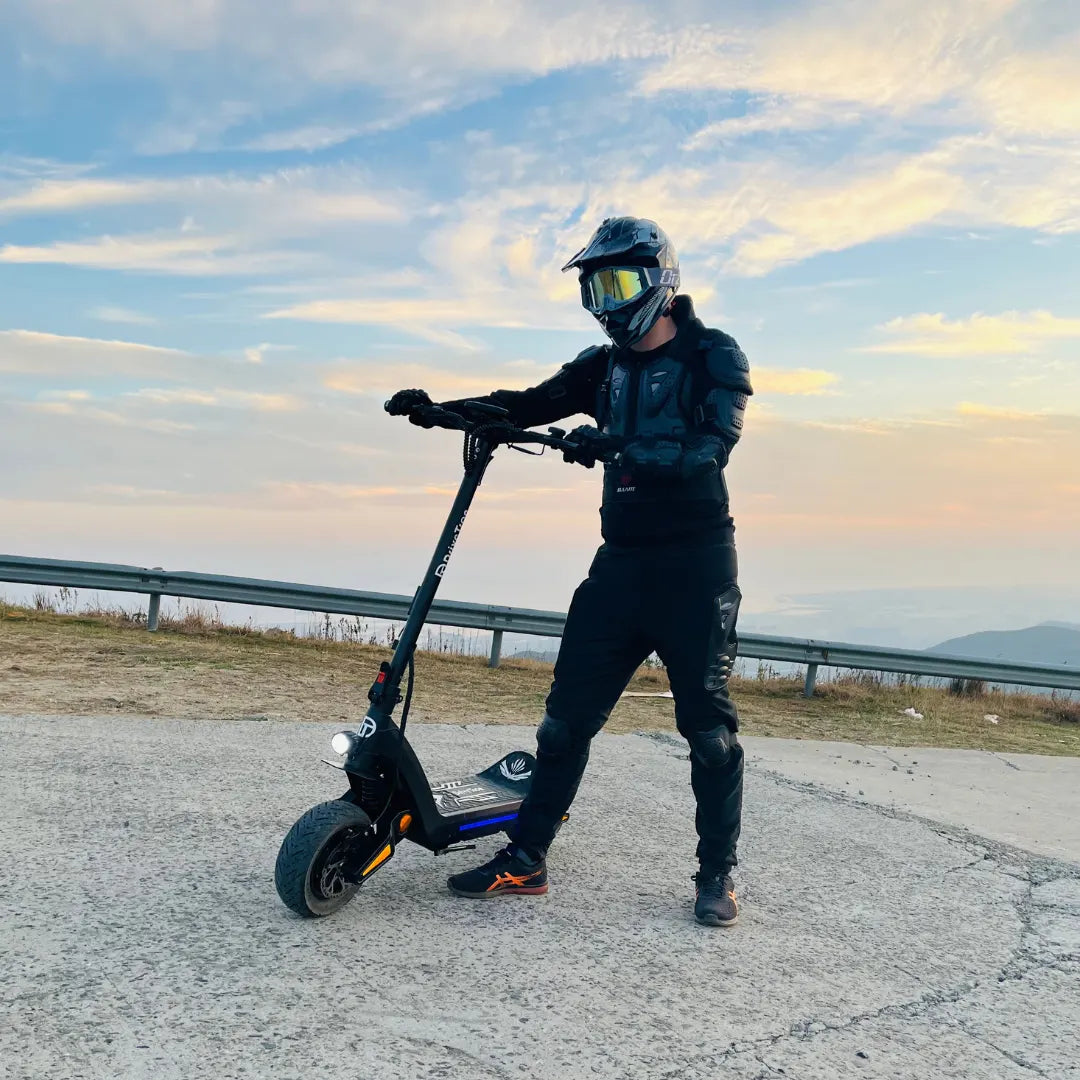
As winter approaches, many scooter users wonder: Can I continue to ride when it's cold? At GTXR, we believe that electric mobility shouldn't stop when temperatures drop. With the right precautions, a scooter can remain an efficient mode of transport — even in winter.
Here's a comprehensive guide on how cold weather impacts your scooter, the most suitable GTXR models, and tips for safe riding during the colder months.
The effects of cold on an electric scooter
Scooters are sensitive to extreme weather conditions. Here are the main impacts of cold weather:
1. Battery performance decrease
Lithium-ion batteries become less efficient at low temperatures. Below 10°C, range can drop by 15 to 40%. Cold weather slows down internal chemical reactions, which affects charging and usage time.
2. Reduced grip on the ground
Cold roads are more slippery, especially in case of ice or snow. Tire rubber becomes harder, which reduces traction. This makes turns and braking more dangerous if you're not careful.
3. Brake and frame responsiveness
Metal can contract in cold weather, which slightly affects the braking mechanism or the flexibility of the frame. High-end GTXR models are designed to limit these effects.
4. Risks related to humidity
Snow, salt, and water can infiltrate components if the scooter is not well protected. This can cause corrosion or short circuits.
Tips for using your GTXR in winter
Here are the precautions to take for safe riding:
Warm the battery indoors
Charge and store your scooter in a heated place before going out. A cold battery will struggle to deliver its full capacity.
Reduce speed and accelerate gently
Cold roads require more caution. Ride slower, brake gently, and avoid sudden turns.
Use suitable tires
Inflatable (pneumatic) tires have better grip in winter than solid tires. Models like the GTXR DT06 or GTXR S10 are particularly suitable for irregular or wet surfaces.
Make yourself visible
Days are shorter. Wear light-colored or reflective clothing, use the front and rear lights, and consider a lighted helmet.
Dry your scooter after each ride
Wipe down the scooter after use, especially articulated areas, the screen, and under the deck. Humidity is the enemy of electronics.
Regularly check the brakes
Their effectiveness can decrease in cold weather. Test them before each ride.
The best GTXR models for winter
Not all models are equally good in winter. Here are the ones that perform best:
• GTXR DT06: all-terrain tires, water protection, reliable range
• GTXR S10: inflatable tires, double braking, wide and stable deck
• GTXR G50 (with Happyrun): wide tires and robust frame for difficult terrains
They combine safety, comfort, and performance even in demanding conditions.
How cold can you ride?
Most GTXR scooters can be used down to -5°C. But frequent riding below freezing is not recommended, because:
• It can damage the battery in the long term
• Brakes and tires may lose effectiveness
• It may void certain manufacturer warranties
In very cold weather, opt for public transport and store your scooter in a dry place.
Conclusion
Yes, electric scooters can work in winter — provided you are well prepared. With good habits and a GTXR model designed to withstand the elements, you can continue to ride even in snowy conditions.
Discover our winter-ready models at gtxrstore.com and stay mobile all year round.